Since March 2026, conflict in Lebanon has forced around 1.2 million people from their homes, creating huge demand for emergency shelter and immediate humanitarian assistance.
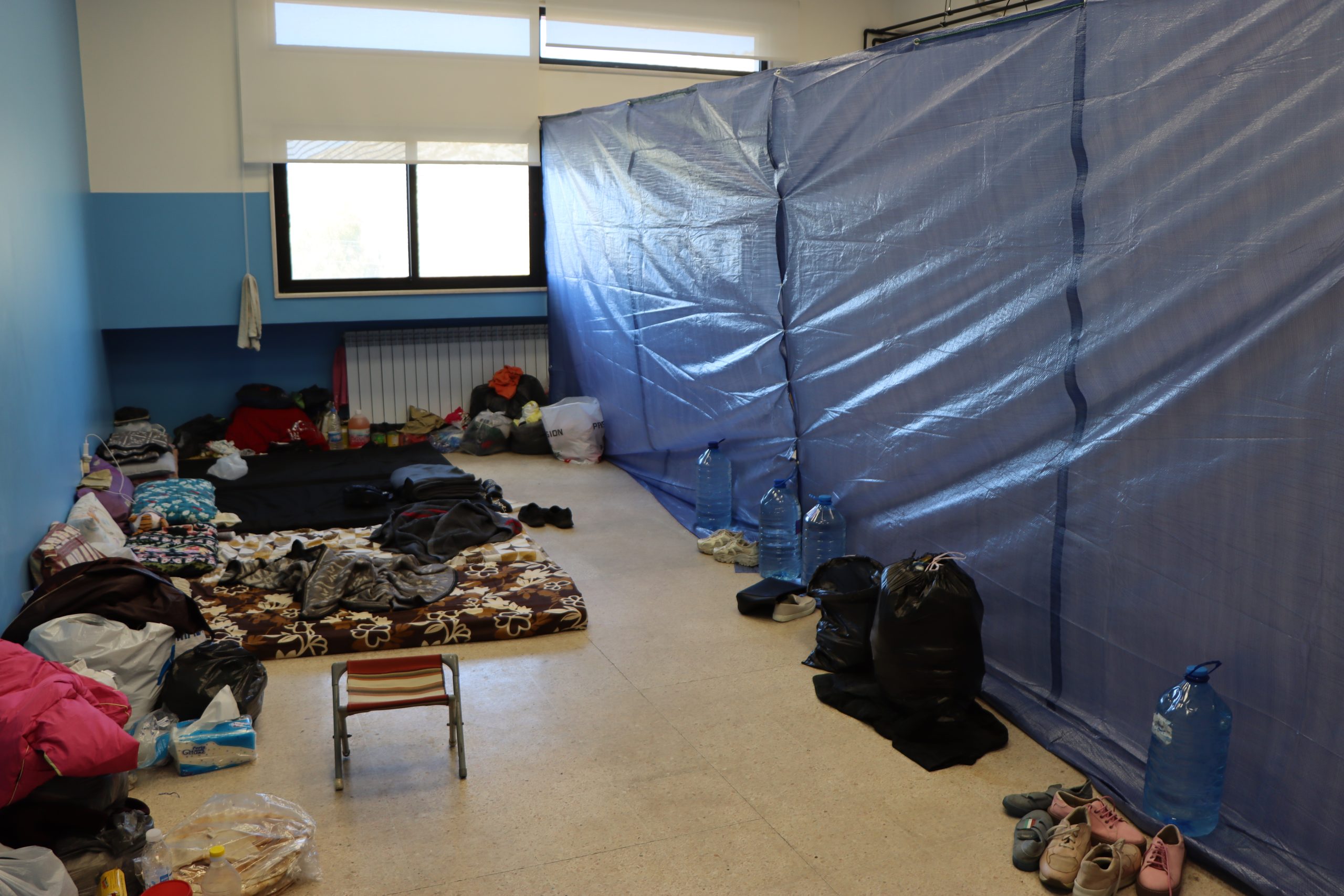
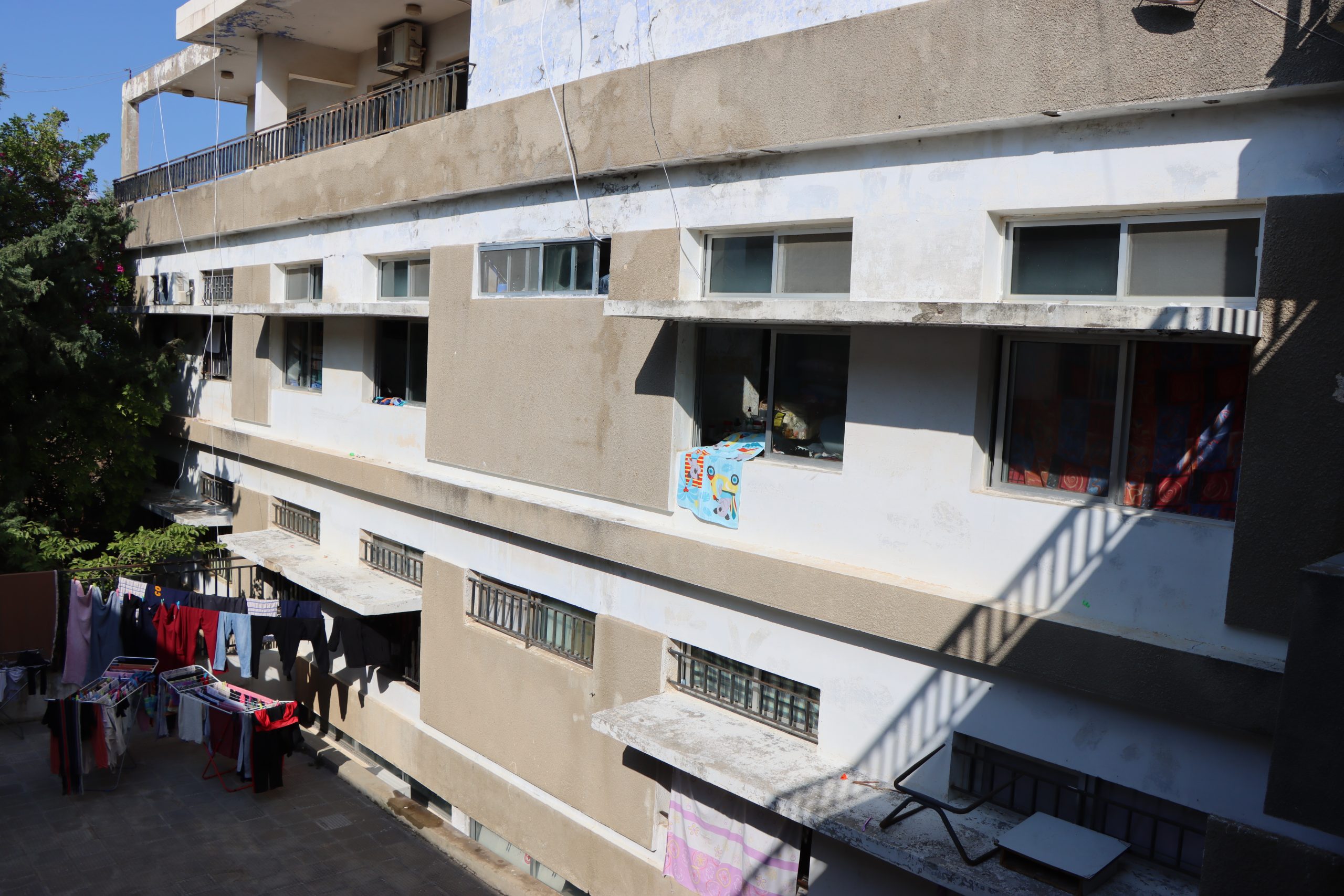
While many displaced people are staying in an established network of ‘collective shelters’, often located in schools or municipal buildings, others have been sheltering precariously in unfinished buildings or sleeping outdoors.
The Foundation is supporting two complementary programs, implemented by ShelterBox and Habitat for Humanity International with their local partners, to improve living conditions for vulnerable families both inside and outside the formal shelter network.
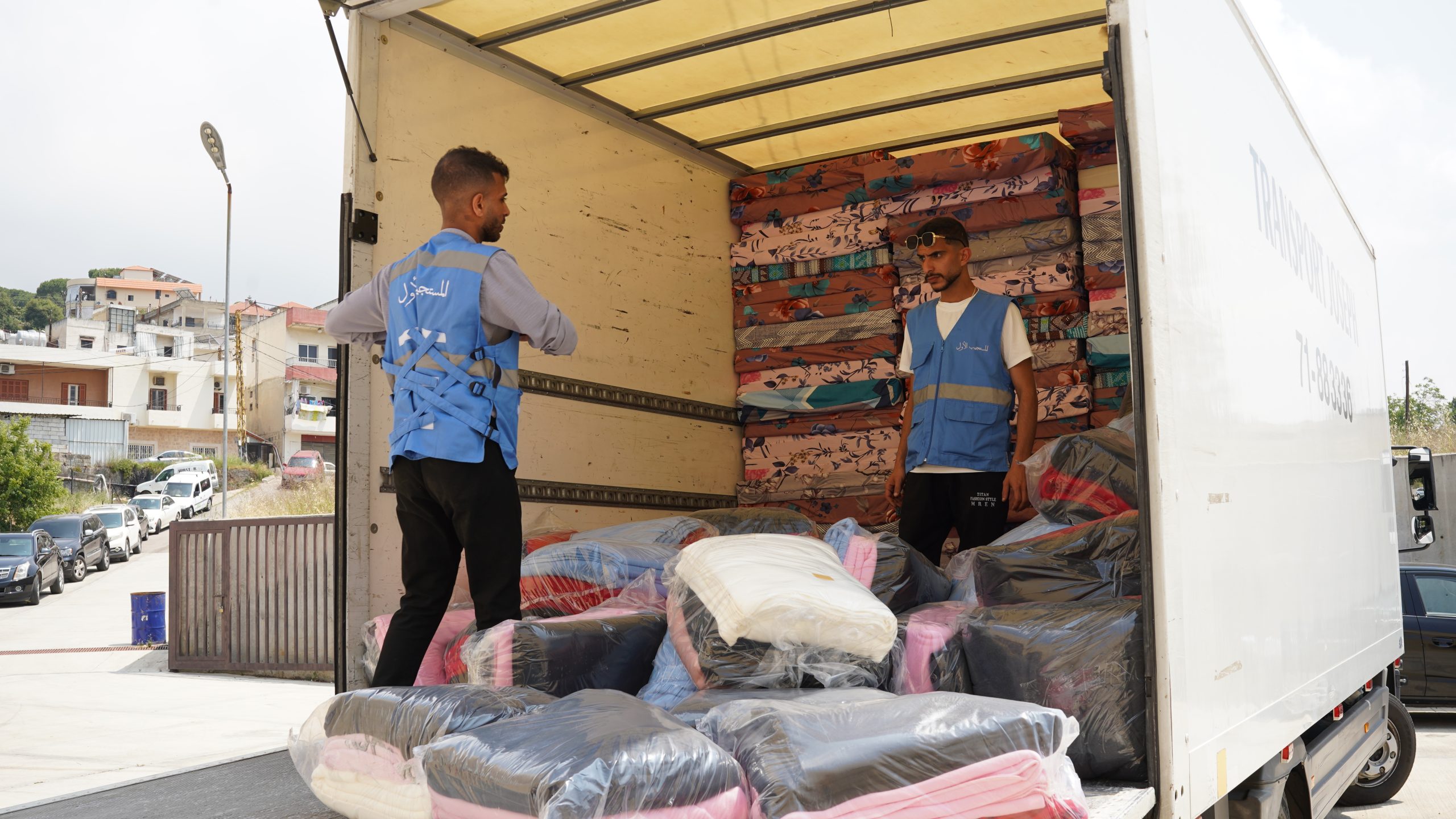
ShelterBox is focused on families outside the collective shelter network, providing essential household and hygiene items, alongside cash grants which allow people flexibly to meet their most urgent needs, be it rent, food or fuel. Its program could ultimately assist around 10,000 people.
Meanwhile, Habitat for Humanity International is upgrading five collective shelters, improving areas such as water and sanitation, weatherproofing, lighting, privacy, fire safety and accessibility. Around 2,000 displaced people are expected to benefit, with residents remaining in place during renovations – and some receiving paid employment for working on the building upgrades.
Habitat’s renovations will also have a longer-term impact. When displaced families return home, the temporary shelters will revert to their original uses, leaving improved local infrastructure in place.
Taken together, the two programs are delivering both immediate practical assistance and creating a sustainable legacy for the communities that have hosted displaced families during the crisis.
25 years of investment in disaster management
Countries where we have supported our partners’ work in response to a growing range of threats to life and livelihood
Million CHF invested since 2001 to help communities better prepare for and recover from disasters
Projects addressing disaster-related challenges and supporting community resilience